
When money moves without your permission, the clock starts. Banks, payment apps, and card networks all have deadlines. The first hour is about stopping further loss and creating a record that later claims can use. This is the sequence I follow and the one I give family members when a transfer, Zelle-style payment, or card charge appears that nobody authorized.
I am not a bank investigator. I am a parent who has had to make these calls and who has learned that the words you use and the order of the steps change what happens next. Saying “I did not authorize this” is different from saying “I want a refund.” The first statement starts a fraud process; the second can be treated as a routine dispute. Both may be necessary, but the order and the wording matter.
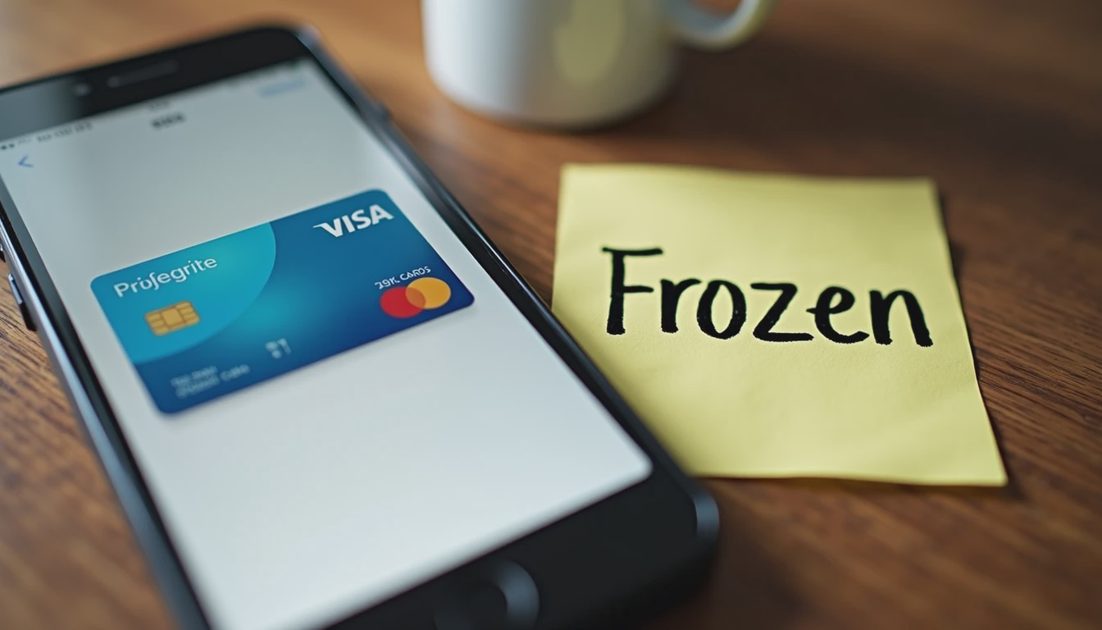
Freeze First
If the transfer involved a debit card, bank login, or payment app still accessible from a device you control:
Sign in from a clean device if possible and freeze or lock the card immediately.
Change the online banking password and enable any available transaction alerts.
Turn off or limit Zelle, external transfers, or similar features if the platform allows it.
If you cannot log in, call the number on the back of the card or on an official bank statement—not a number from a text or email that arrived today.
Call and Use Clear Language
When you reach the bank or payment service, say that you are reporting unauthorized activity and that you did not authorize the transfer. Ask them to:
Freeze the relevant account or card
Document the report with a date, time, and reference number
Tell you the next deadline for a formal dispute or claim
Confirm whether you need to file a police report or an identity-theft report for their process
Write down the name or ID of the person you spoke with, the reference number, and the exact time of the call. Ask what they will put in writing and how you will receive it.
If the first representative cannot help, calmly ask for a supervisor or the fraud department. Keep the same notes. Escalation is normal; many front-line queues are not equipped for every type of unauthorized transfer. The reference number from the first call still matters even if you are transferred.
Document While It Is Fresh
Before the day ends, collect:
Screenshots of the unauthorized transaction
The account or card statement line if available
Any emails or texts about the transfer
The call reference number and notes
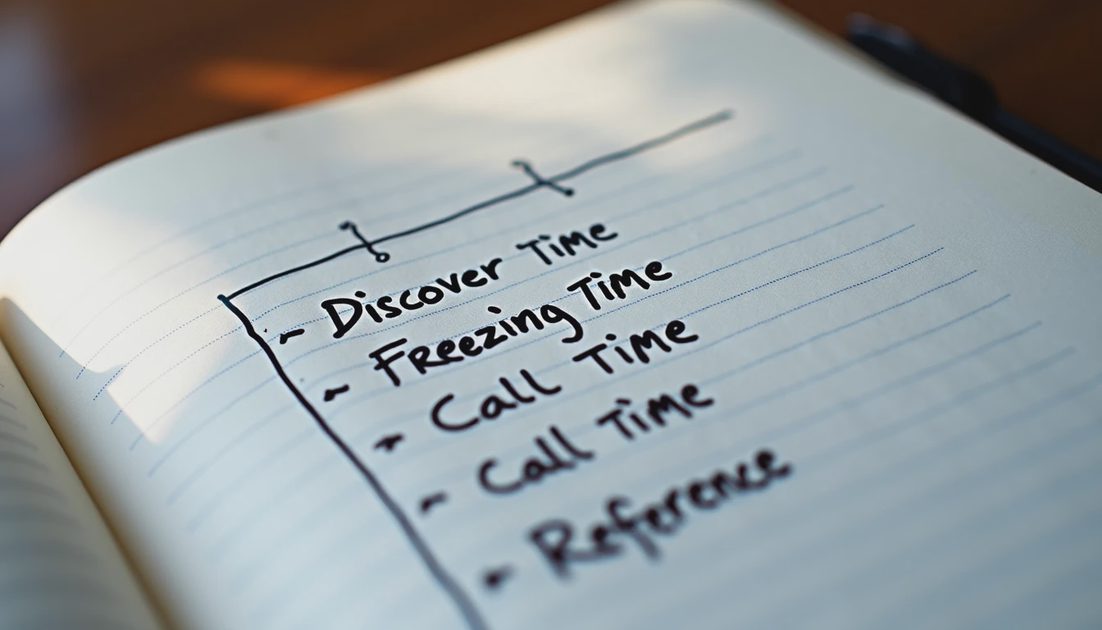
A short timeline: when you noticed it, when you froze access, when you called
Save the screenshot before you close the page. Name the files with the date so you can find them later. If the transaction appears in a mobile app that makes screenshots difficult, use another device to photograph the screen. A clear photo with a visible timestamp is better than no record at all.
Priority | Action | Why it cannot wait |
|---|---|---|
1 | Freeze card or login | Stops additional transfers |
2 | Call official number and get reference | Starts the formal clock |
3 | Screenshot and note timeline | Evidence fades quickly |
4 | Change passwords and alerts | Reduces follow-on risk |
Repeat for Every Channel Involved
Unauthorized activity often touches more than one place. If the transfer used a debit card that is also linked to a payment app, notify both. If an email account was involved in a password reset that enabled the transfer, secure the email using the Account Lockdown sequences. If a phone number was changed, contact the carrier.
Each institution has its own process and its own deadlines. Treating them as separate reports with separate reference numbers keeps the record clear.
What to Expect Next
Banks and payment services will ask for more information. Some will provisionally credit funds while they investigate; others will not. Do not assume a verbal promise is the final outcome. Ask for written confirmation of any temporary credit and the investigation timeline.
If the amount is large, or if identity theft is involved, the Identity & Paper Trails guides cover FTC reports, credit freezes, and escalation to regulators. For now, the job is containment and documentation.
Keep all reference numbers in one place. When you later speak to a supervisor, a regulator, or a police officer, being able to say “I reported this on this date under reference number X” changes the tone of the conversation. It shows you acted quickly and kept a record.
Also watch the account for the next several days. Attackers sometimes test with a small transfer before a larger one. Freezing one card does not always freeze every linked payment method. Repeat the freeze-and-call steps for any additional channel that shows activity.
Stop the damage. Save the proof. Take the next step.
The following Money in Motion articles explain the difference between a fraud report and a payment dispute, and why the recovery path depends on whether the money moved by Zelle, ACH, wire, or debit card. The freeze-call-document sequence is the foundation under all of them. Use it every time money moves without your permission. The calm you bring to the first hour becomes the clarity you need for every conversation that follows.
No comments yet.