The worst time to organize your thoughts is while you are on hold.
When an unauthorized transfer or card charge appears, the urge is to dial immediately. That urgency is correct for freezing the account. It is less helpful for the detailed conversation that follows. A five-minute pre-call note turns a stressful call into a structured report and gives you a record you can reuse with supervisors, regulators, or police.
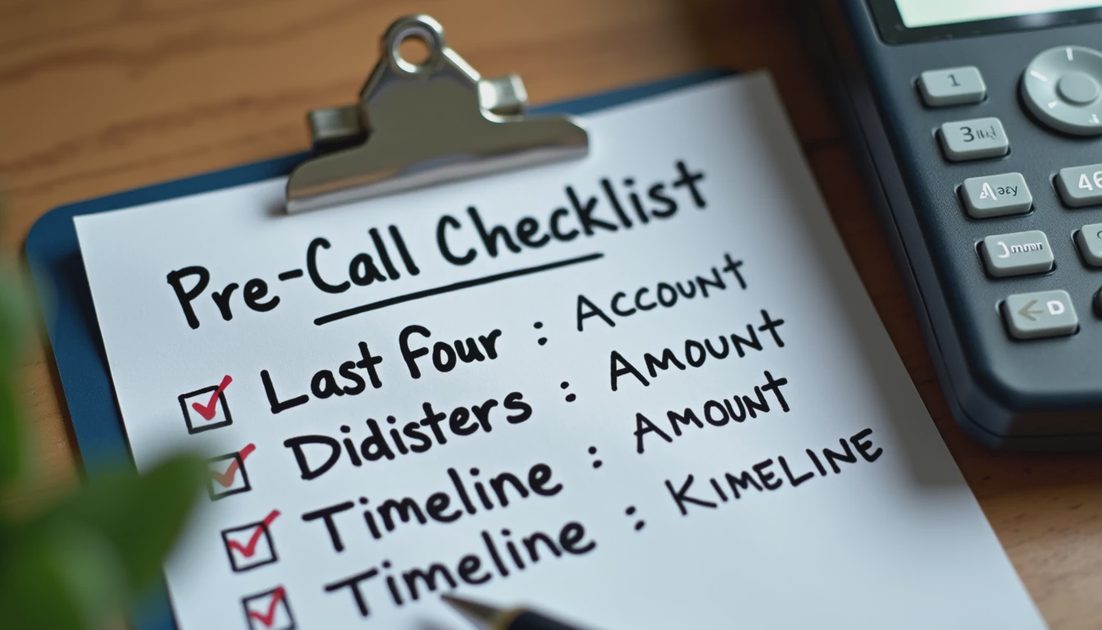
This is the exact list I now keep on a single sheet or phone note before I dial any fraud line. I started doing this after a call in which I could not remember the exact time I had frozen the card and had to dig through app notifications while the representative waited. The extra preparation would have taken less time than the confusion.
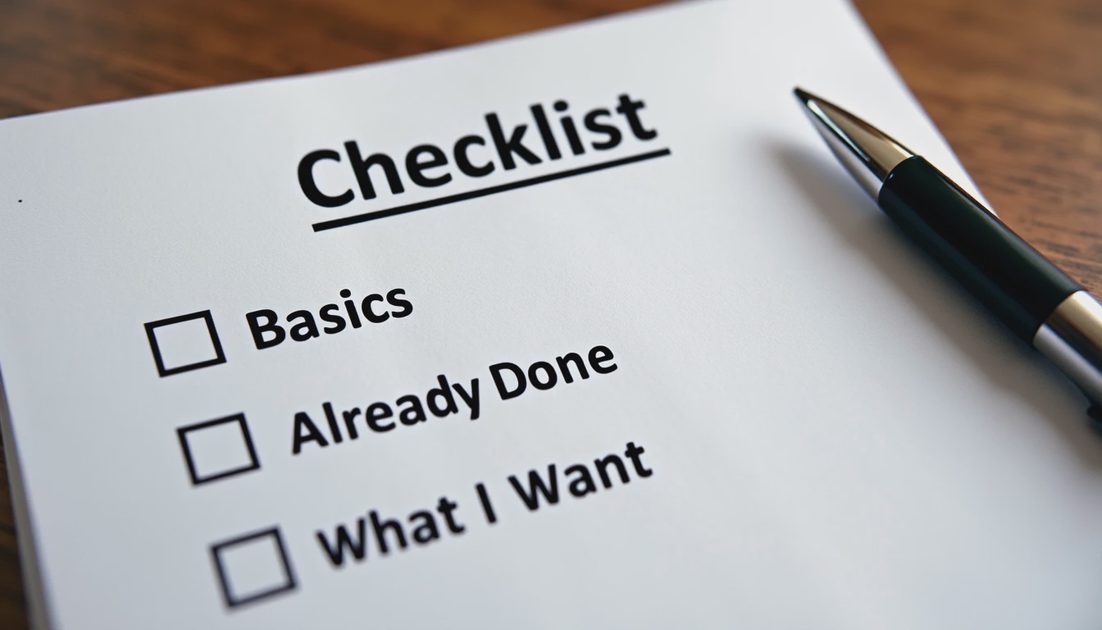
The Pre-Call Sheet
1. Account and transaction basics
Last four digits of the account or card
Exact amount and date of the unauthorized item
Merchant or counterparty name if shown
Any confirmation or reference number already visible in the app or statement
2. Discovery timeline
Date and time I first noticed the problem
How I noticed it (alert, balance check, statement review)
Whether I have already frozen the card or changed the password
3. What I have already done
Freezes or locks applied
Passwords changed
Other institutions already notified
4. What I want from this call
Fraud report opened and reference number issued
Written confirmation of the report
Clarification of deadlines and provisional-credit policy
Next step the bank expects from me
Why Writing It Down Changes the Call
Without notes, people forget the exact amount, mix up dates, or accept a vague “we’ll look into it” without a reference number. With notes, you can read the facts cleanly, ask for the reference number before the call ends, and avoid being rushed off the line.
The sheet also becomes the first page of your evidence file. Later, when a different representative asks for the history, you are not reconstructing from memory.
There is a second benefit that is easy to miss: writing the facts down reduces the emotional temperature of the call. When the details are already on paper, you spend less energy trying to remember them and more energy listening to the answers. That calm is useful when the representative asks follow-up questions or when you need to escalate.
Sample Call Flow Using the Sheet
State that you are reporting unauthorized activity and read the account and transaction basics.
Give the discovery timeline in two or three sentences.
List what you have already done so the representative does not waste time on steps you completed.
Ask for a fraud-report reference number and write it on the sheet immediately.
Ask the four “what I want” questions and note the answers.
Confirm how and when you will receive written follow-up.
Thank the representative and end the call only after the reference number is on the page.
If the representative tries to close the call without giving a reference number, politely repeat the request: “Before we finish, I need the reference number for this fraud report so I can follow up.” Most will provide it once the request is clear and specific. If they cannot, ask for a case or ticket number of any kind and note that a formal fraud-report number was not provided. That note itself becomes useful later.

After the Call: One Extra Line
At the bottom of the sheet, add:
Date and time of the call
Name or ID of the representative
Reference number
Any deadline they gave you
That single block of information is what you will need if you escalate to a supervisor, file a CFPB complaint, or speak with law enforcement.
When You Are Too Shaken to Write
If you cannot focus, ask a trusted adult to sit with you and fill in the sheet while you dictate. The goal is not perfect prose. The goal is a dated, factual record that exists outside your short-term memory.
If no one is available, use the voice-memo function on a clean phone and speak the four sections out loud before you dial. You can transcribe the key points later. The important thing is that the facts exist somewhere other than your racing thoughts.
One Sheet, Many Conversations
The same pre-call sheet remains useful when you later speak to a supervisor, file a regulator complaint, or give a police statement. You are not starting from zero each time. You are reading from a document that already contains the amounts, dates, reference numbers, and actions taken. That continuity is one of the quiet advantages of treating the first call as a documented event rather than a one-off conversation.
Stop the damage. Save the proof. Take the next step.
This pre-call habit pairs with the earlier Money in Motion articles on freeze-call-document order, fraud-versus-dispute language, and payment-rail differences. Together they turn a chaotic hour into a sequence you can repeat under stress. The sheet is small. The clarity it creates is not. Five minutes of preparation can save hours of later confusion. Keep a blank copy of the sheet in your notes app or on paper near the place you usually handle household bills so it is ready when you need it.
No comments yet.